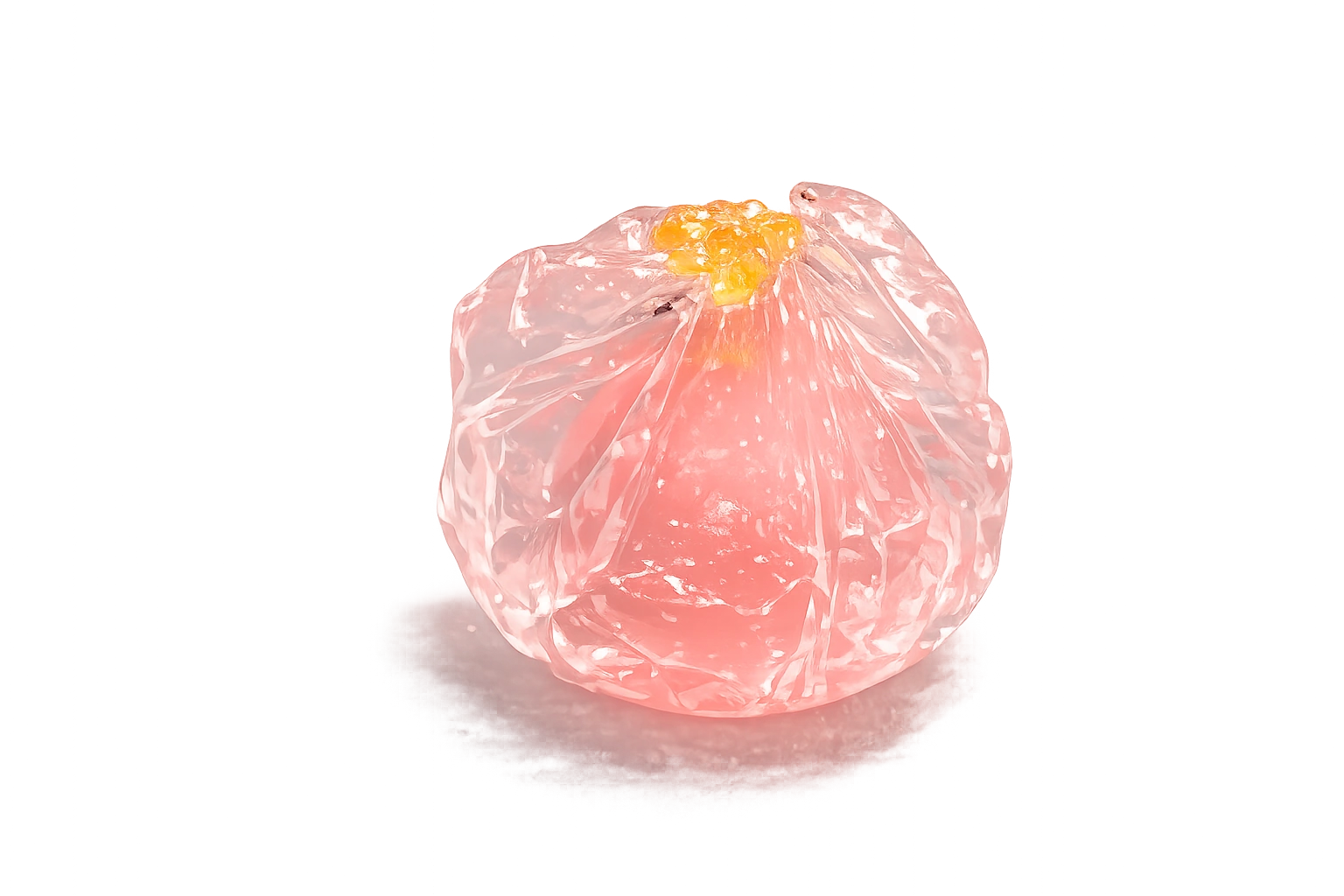
水牡丹今の菓子
みずぼたん
透明な葛の生地で色鮮やかな餡を包み、大輪の牡丹が水に濡れて涼しげに咲く様子を表現した夏の主菓子です。
A refreshing summer sweet featuring colorful bean paste enclosed in translucent kuzu starch, mimicking a wet peony.一服の茶には、一つの菓子。
その銘と姿に、季節と土地の物語が畳まれています。
——名を知ると、味が変わる。
みずぼたん
透明な葛の生地で色鮮やかな餡を包み、大輪の牡丹が水に濡れて涼しげに咲く様子を表現した夏の主菓子です。
A refreshing summer sweet featuring colorful bean paste enclosed in translucent kuzu starch, mimicking a wet peony.
くずざくら
葛の透明感で餡を包み、桜の葉を添える。見た目の涼が身上の夏の菓子。
Bean paste veiled in translucent kudzu with a cherry leaf — coolness for the eyes.
ちょうせいでん
加賀藩前田家の献上菓子。銘は小堀遠州の筆によると伝わる。紅白一対。日本三大銘菓のひとつ。
A presentation sweet of the Kaga domain; its name is said to be in Kobori Enshū's hand. One of Japan's three great meibutsu sweets.
けいらんそうめん
ポルトガルの糸状卵菓子フィオス・デ・オヴォスに由来する南蛮菓子。
A nanban sweet descended from Portugal's fios de ovos — threads of egg in syrup.
かせいた
細川家ゆかり。名はポルトガル語のカイシャ・ダ・マルメラーダ(マルメロの箱)に由来すると伝わる。
Tied to the Hosokawa clan; the name is said to come from the Portuguese caixa da marmelada — a box of quince paste.
まつかぜ
石山合戦の兵糧に由来すると伝わる。表にケシ、裏は無地——「裏寂しい」を謡曲「松風」に掛ける。
Said to descend from siege rations of the Ishiyama war. Poppy seeds on the face, bare on the back — "lonely behind," a pun woven into the Noh play Matsukaze.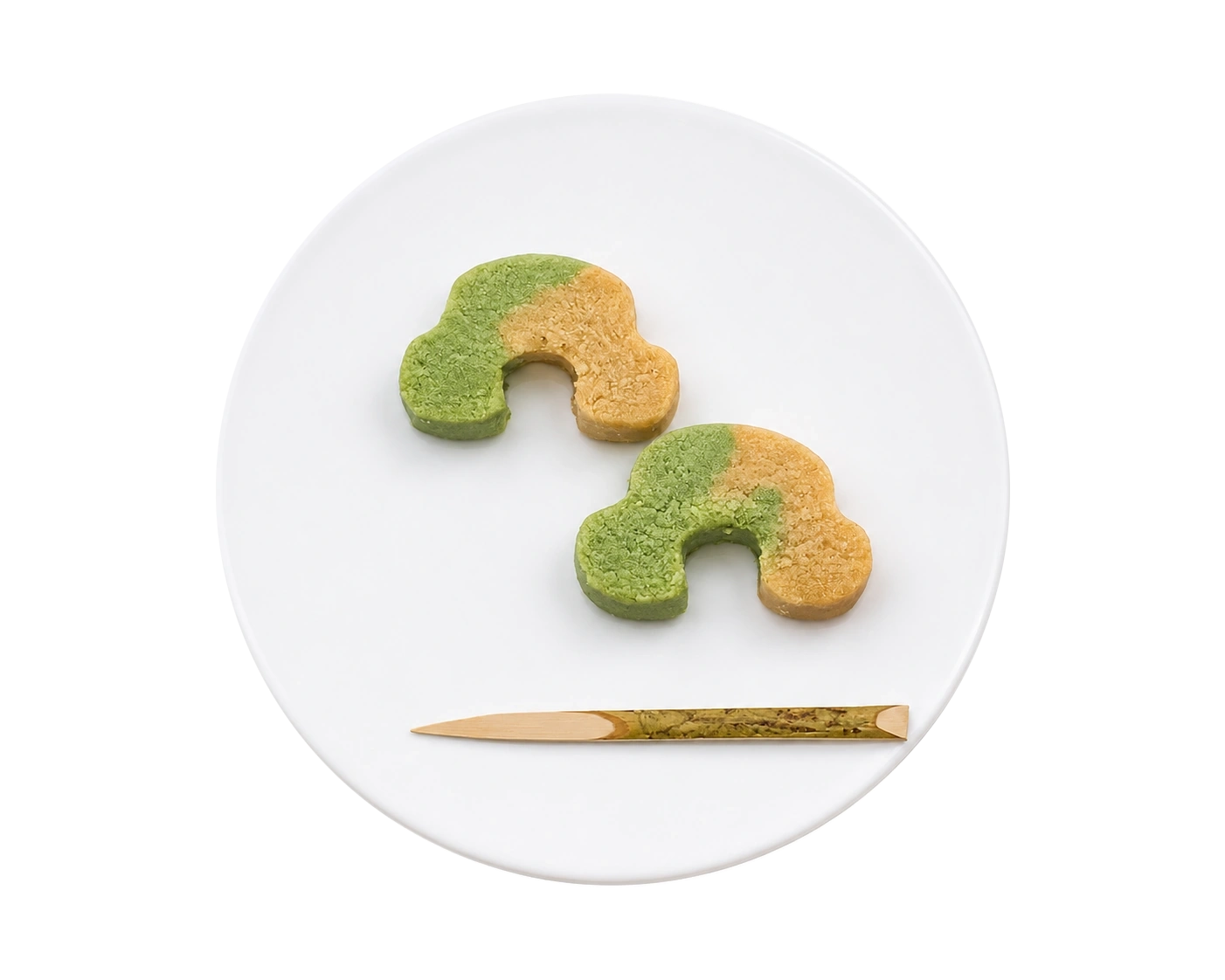
すはま
煎り大豆の粉を用いた京菓子。祝儀飾りの州浜台の形に由来する名。
A Kyoto sweet of roasted soy flour, named for the celebratory suhama-dai stand its shape recalls.
ふのやき
利休の茶会記に繰り返し登場する菓子。小麦粉の薄焼きに味噌を塗って巻く。煎餅や銅鑼焼の祖ともいわれる。
The sweet that recurs in Rikyū's own tea records: a thin wheat crepe brushed with miso — ancestor, some say, of later griddle sweets.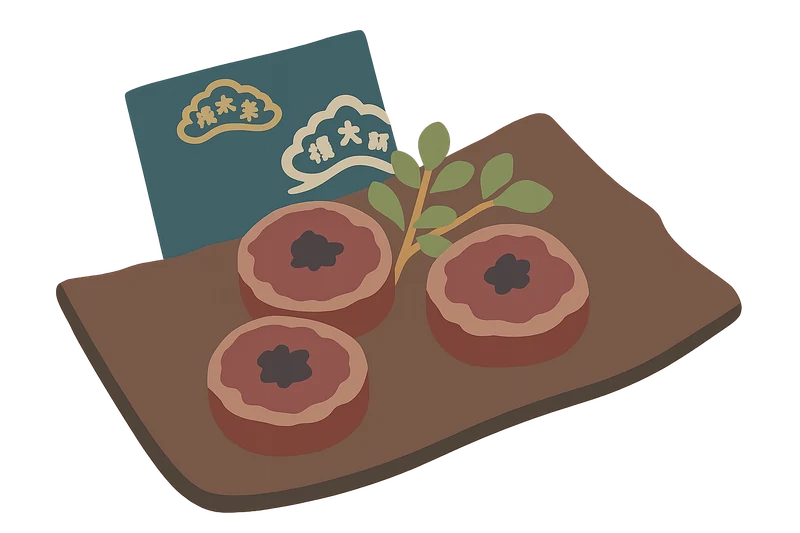
きんつば
京で生まれた「銀鍔」が江戸で「金鍔」に。刀の鍔に見立てた名。
Born in Kyoto as the "silver sword-guard," renamed gold in Edo — a sweet shaped like a katana's tsuba.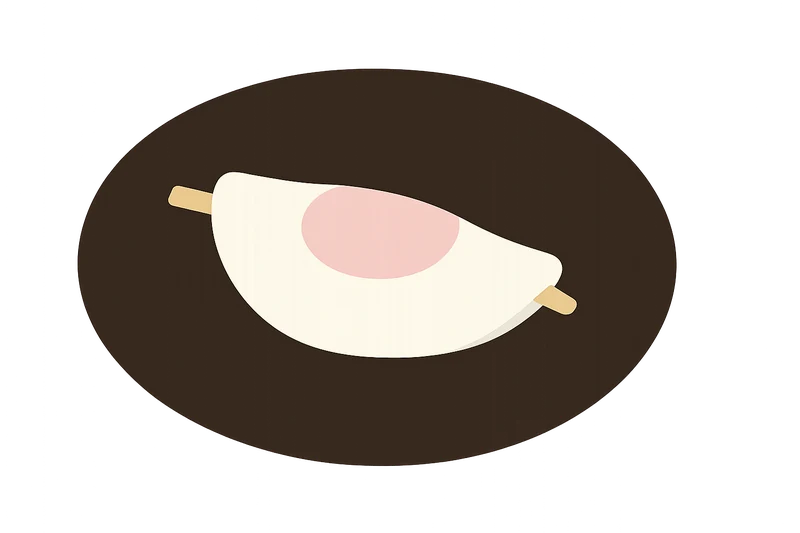
はなびらもち
新年の「初釜」で出される、新年を代表するお菓子です。白味噌の餡と、蜜煮したゴボウを、柔らかい餅や求肥で包んでいます。
A traditional New Year's confectionery featuring white miso paste and candied burdock root wrapped in soft mochi or gyuhi.
したもえ
厳しい寒さのなか、雪の下からかすかに草の緑が芽吹く様子を表現した和菓子です。
A confectionery expressing the scenic view of green shoots subtly sprouting from beneath the winter snow.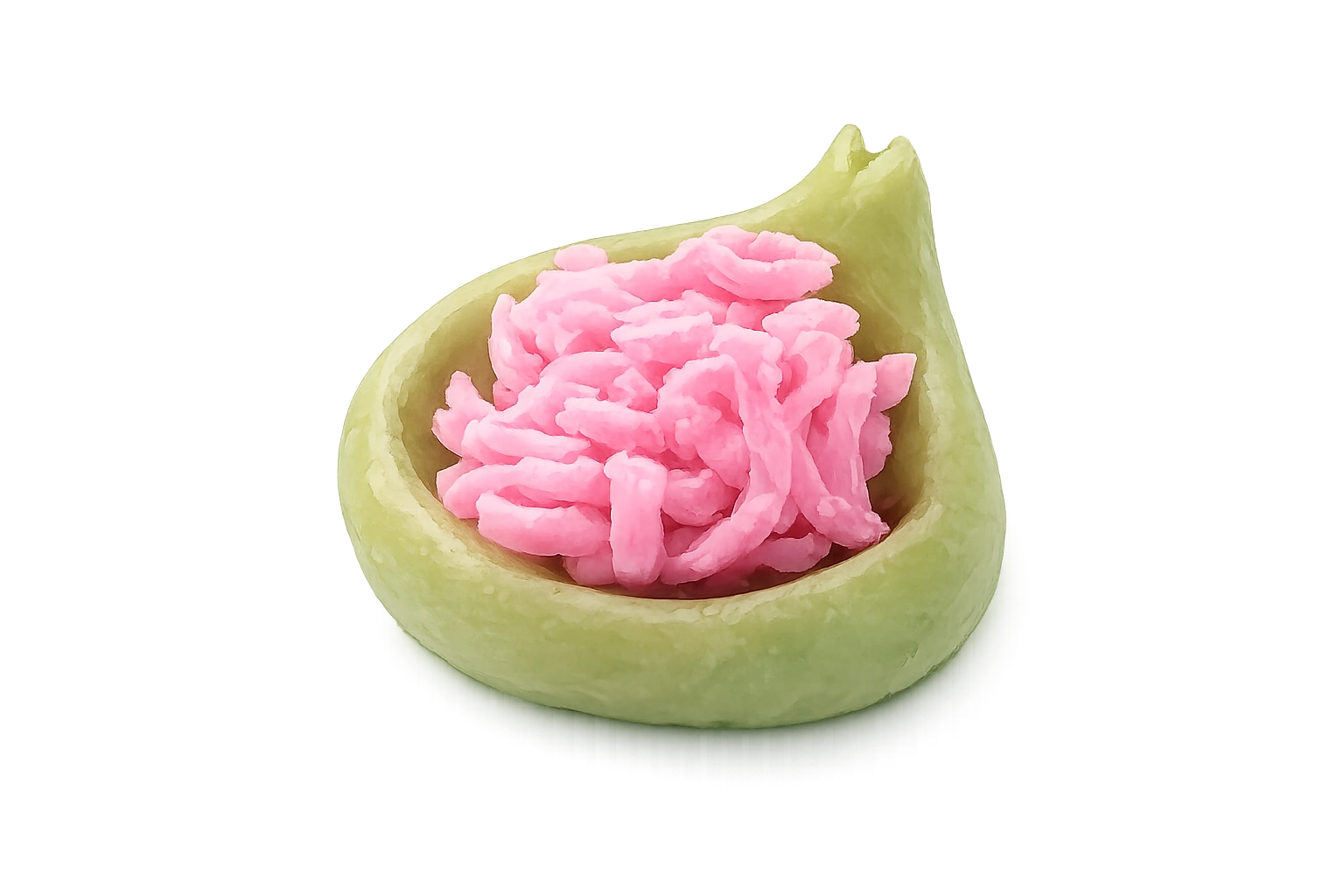
ひちぎり
ひな祭りの時期(桃の節句)によく用いられる京都の伝統的なお菓子です。餅の端を「ひっちぎった」ような独特の形をしています。
A traditional Kyoto sweet used for the Dolls' Festival, featuring a unique shape with a torn edge.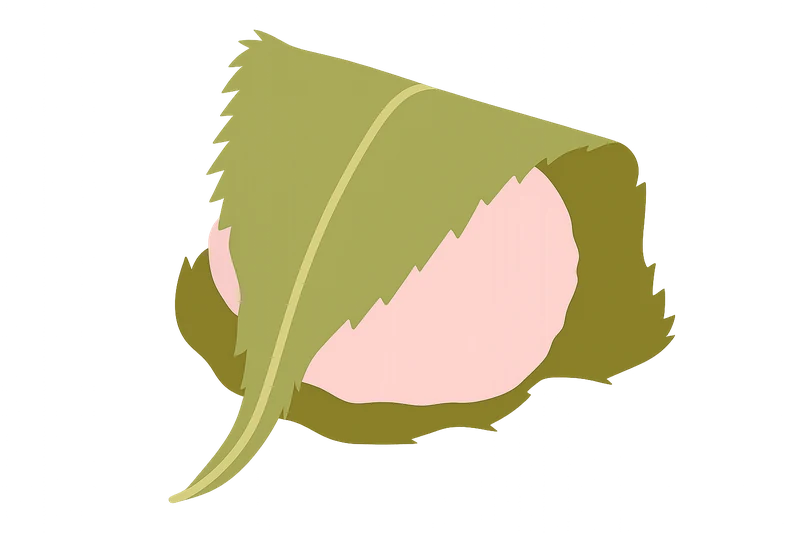
さくらもち
向島・長命寺の門番が桜葉の塩漬けを考案したと伝わる。関東は焼皮、関西は道明寺。
Born, it is said, when a gatekeeper at Chōmeiji temple salt-pickled cherry leaves. Crepe-style in the east, dōmyōji in the west.
ちまき
中国の詩人・屈原の故事に由来する端午の菓子。笹の葉に巻いて。
A Boys' Day sweet tracing to the legend of the Chinese poet Qu Yuan, wrapped in bamboo leaves.
みなづき
六月晦日の夏越の祓に食す。氷室の氷片を模した三角のういろうに、邪気を払う小豆。
Eaten at the June 30 purification rite: a triangle of uirō evoking icehouse ice, topped with protective azuki.
なごしがわ
透明な錦玉羹(寒天菓子)などを使って、涼しげな川の流れや清涼感を表現した目にも美しいお菓子です。
A beautiful agar-based clear sweet that expresses the cool and refreshing flow of a river in peak summer.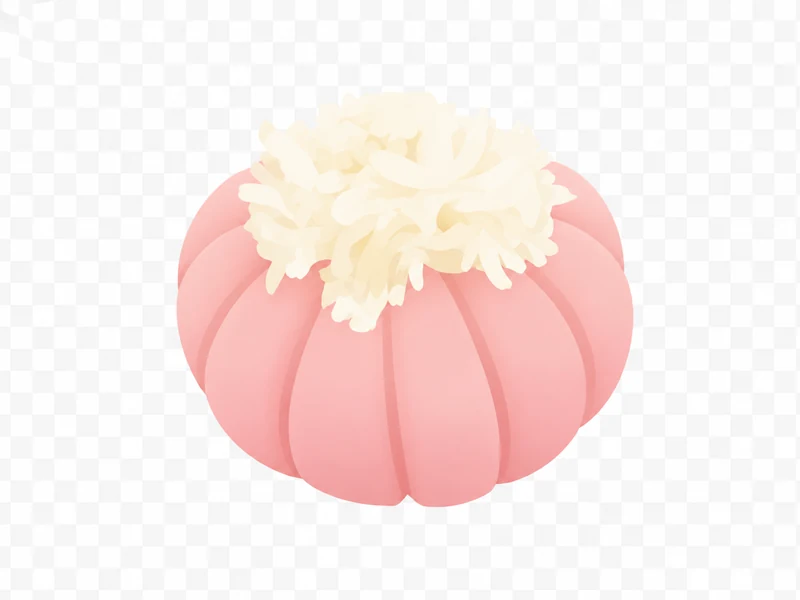
きせわた
9月9日の「重陽の節句(菊の節句)」にちなみ、菊の花の上に不老長寿を願う綿が乗っている様子を表現したお菓子です。
A nerikiri sweet shaped like a chrysanthemum topped with cotton, associated with wishes for longevity on the Double Ninth Festival.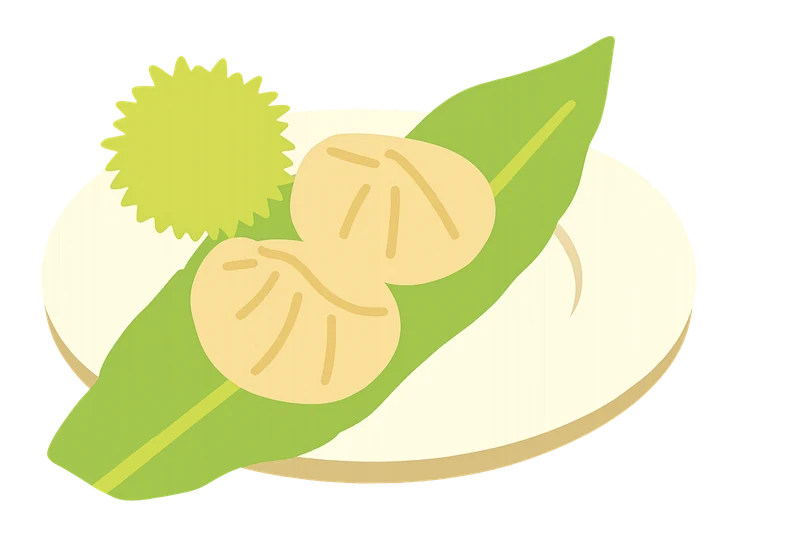
くりきんとん
栗と砂糖だけを炊き上げ茶巾に絞る、木曽路の秋の銘菓。
Chestnuts and sugar alone, wrung in a cloth — autumn's pride of the Kiso road.
いのこもち
茶の湯の正月と言われる「炉開き」の時期に、無病息災や万病除去、子孫繁栄を願って食べられる猪の子を模したお菓子です。
A boar-piglet-shaped rice cake eaten during the opening of the sunken hearth to pray for health and prosperity.
かんぼたん
冬の厳しい寒さのなかで健気に咲く寒牡丹の情景を、繊細な色合いの練り切りなどで表現した年末の主菓子です。
A delicate nerikiri sweet depicting a winter peony blooming beautifully in the severe cold at the end of the year.
やまかわ
大名茶人・松平不昧の好み菓子と伝わる。紅白で紅葉と川を表す。三大銘菓のひとつ。
Favored by daimyo tea master Matsudaira Fumai; its red and white evoke maple leaves on a river.
こしのゆき
江戸中期創製と伝わる雪国の銘菓。和三盆の口どけを雪に見立てる。三大銘菓のひとつ。
A snow-country sweet from the Edo period — wasanbon sugar melting like snow on the tongue.
つばきもち
道明寺を椿の葉で挟む。源氏物語にも見える、最古級の餅菓子。
Dōmyōji rice pressed between camellia leaves — among the oldest of all mochi sweets, appearing in the Tale of Genji.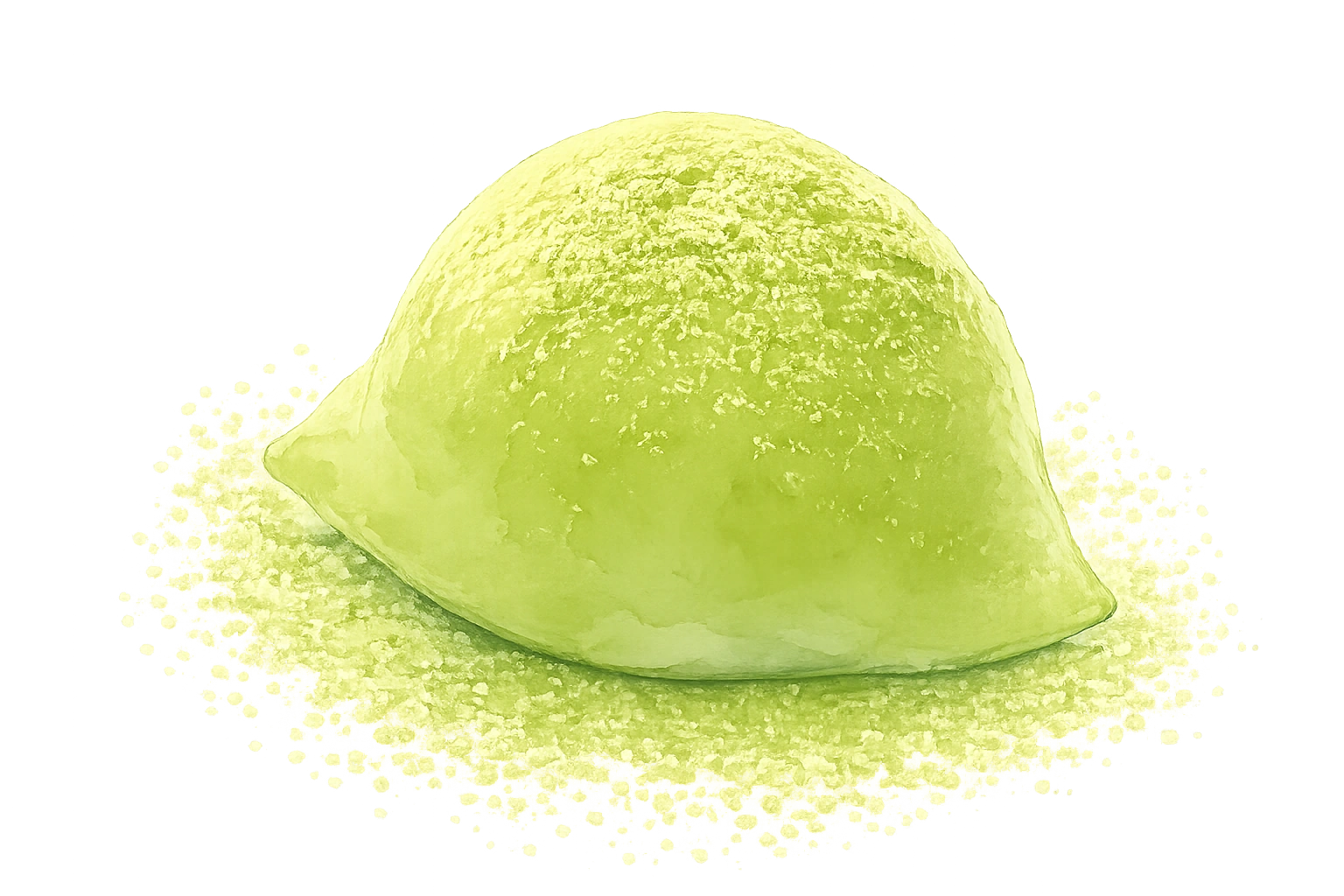
うぐいすもち
豊臣秀長が兄・秀吉を茶会に招いた折の菓子に、秀吉が命名したと伝わる。
Named, tradition says, by Hideyoshi himself at a tea gathering hosted by his brother in Yamato-Kōriyama.
かしわもち
柏の葉は新芽が出るまで古い葉が落ちない——家系が絶えない縁起を担ぐ端午の菓子。
Oak leaves cling until new buds appear — a Boys' Day wish for an unbroken family line.
わかあゆ
鮎漁の解禁を映す初夏の菓子。焼皮に求肥を包み、鮎の姿に焼き印を押す。
An early-summer sweet marking the start of ayu fishing — a little fish of crepe and gyūhi.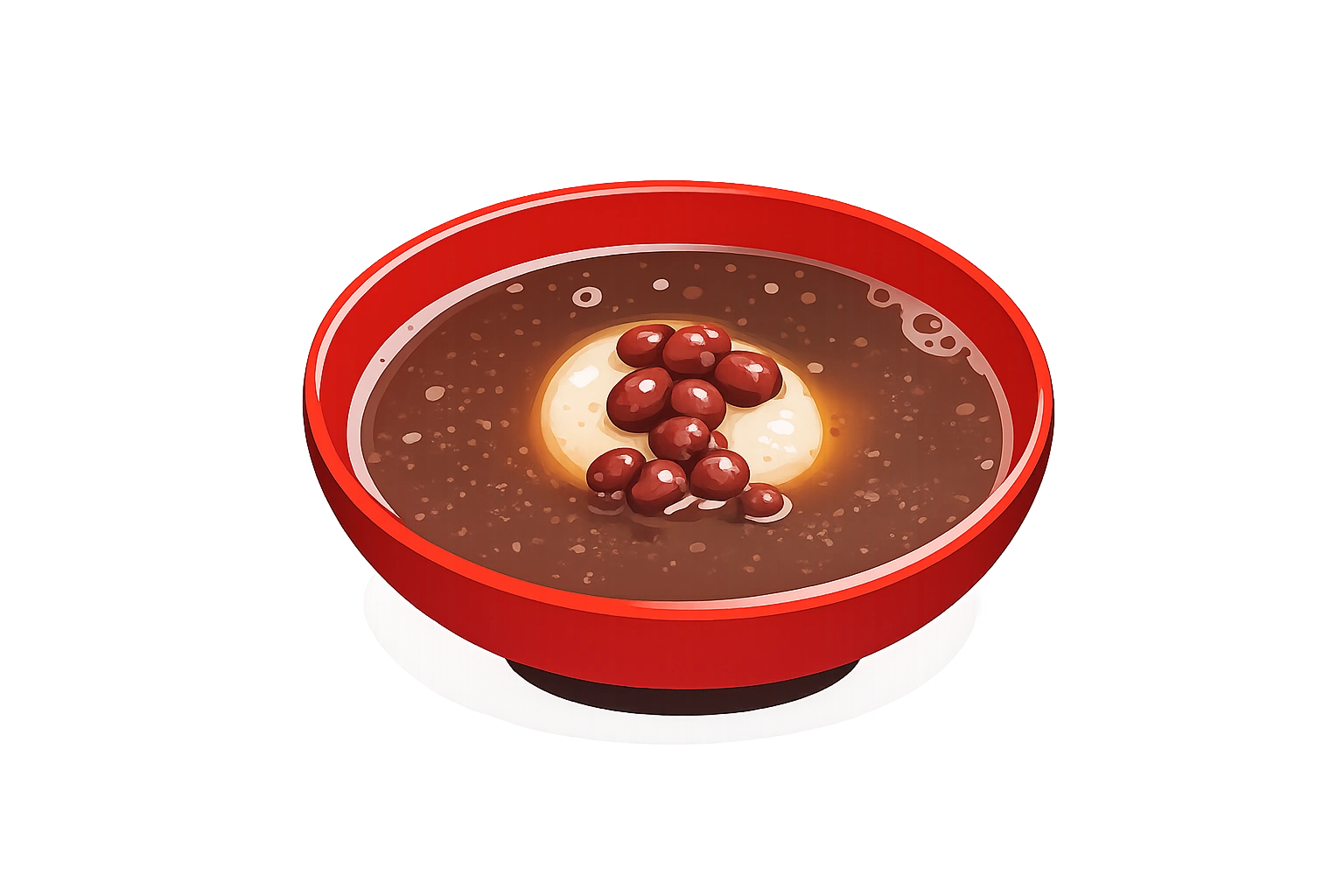
ぜんざい/しるこ
出雲の神在祭の「神在餅」に由来する説も伝わる冬の温菓。
A warming winter sweet; one tradition traces the name to Izumo's jinzai-mochi of the gods' gathering festival.